

Explore the neurological, cardiovascular, respiratory, immune, digestive, hormonal, and sensory symptoms commonly reported by people living with Long COVID.
Long COVID Can Affect Every Body System. Research has identified more than 200 symptoms affecting the nervous system, cardiovascular system, digestive tract, immune system, endocrine system, and more.
This guide organizes symptoms by body system to help patients recognize patterns and better understand what may be happening in their bodies. Symptoms persist weeks or months after infection. This condition is a post-viral syndrome commonly known as Long COVID, Post COVID Condition (PCC) or Post-Acute Sequelae of SARS-CoV-2 Infection (PASC).
Symptoms can present in many different ways because it can affect any body system and it affects everyone differently. Some people experience neurological symptoms, while others experience cardiovascular, organ damage, immune, gastrointestinal, or hormonal complications.
Understanding how Long COVID affects different body systems can help patients and clinicians better recognize symptoms and guide recovery strategies.
Long COVID Symptoms by Body System
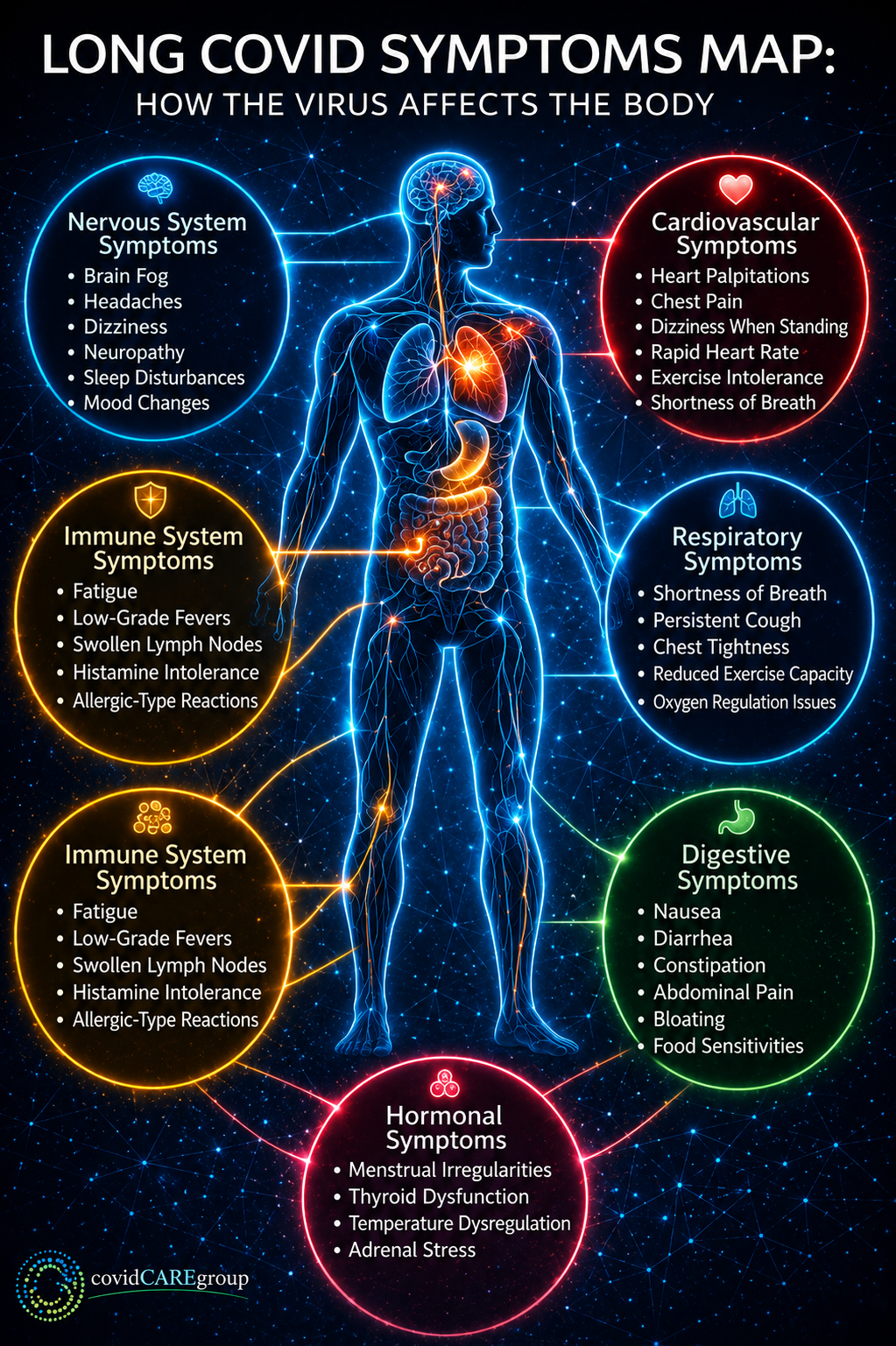
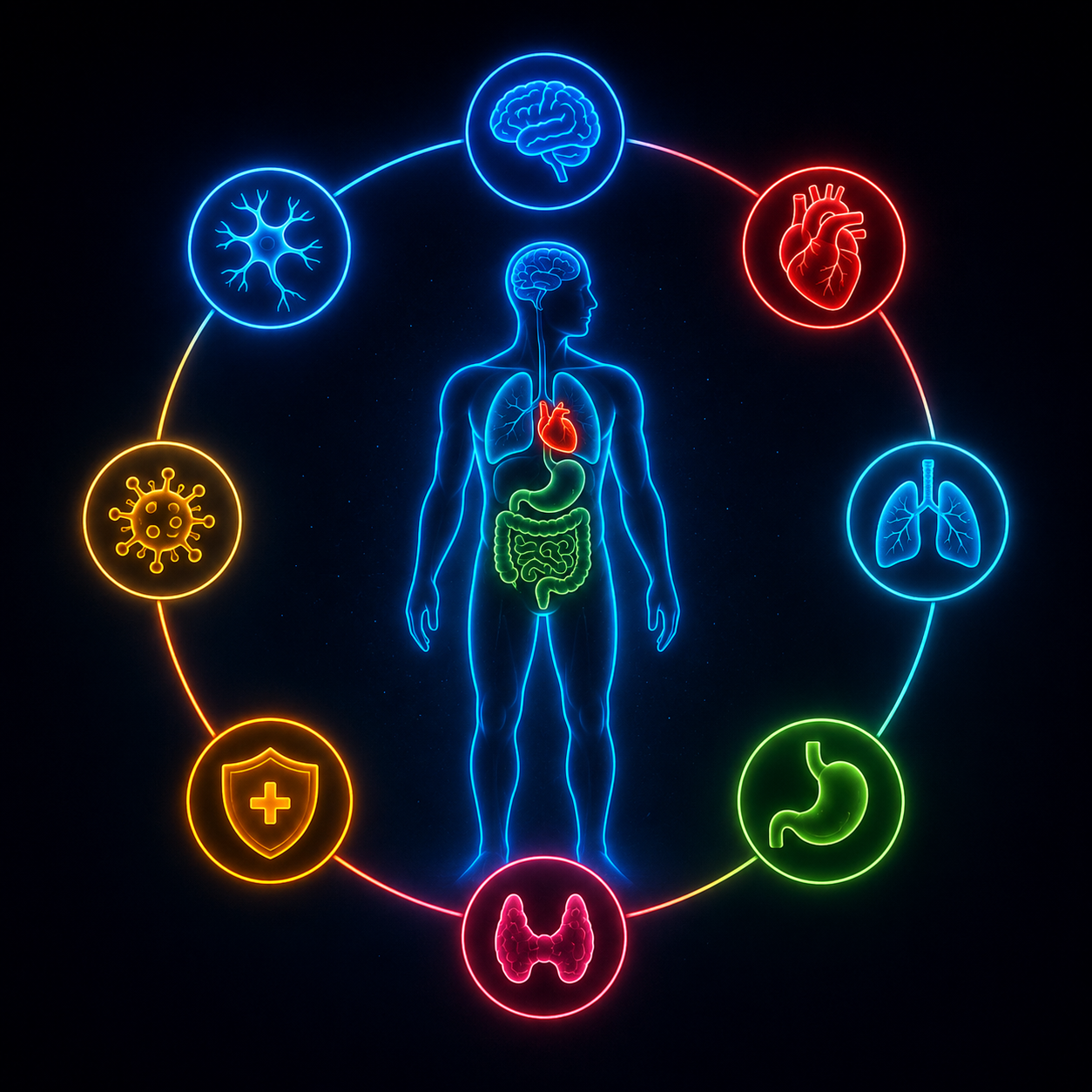
Learn about:
🔹 Neurological Symptoms
🔹 Cardiovascular Symptoms
🔹 Respiratory Symptoms
🔹 Immune System Symptoms
🔹 Digestive Symptoms
🔹 Hormonal Symptoms
🔹 Vision & Eye Symptoms
🔹 Hearing & Tinnitus Symptoms
🔹 Cranial Nerve Symptoms
🔹 Skin, Hair & Nail Symptoms
🔹 Mental Health Symptoms
🔹 Frequently Asked Questions and More…
Track Your Symptoms
Over 2,500 individuals have contributed to the anonymous covidCAREgroup surveys and community reporting.
Use the tool to:
✔ Identify patterns
✔ Monitor progression
✔ Share symptoms with your doctors or others
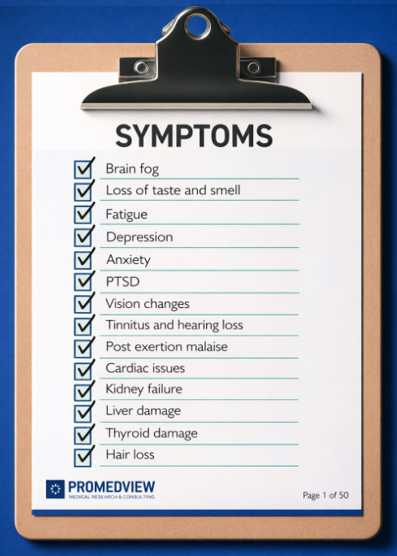
Commonly reported symptoms include:
Brain fog
Fatigue
Post-exertional malaise
Heart palpitations
Dizziness
Sleep disturbances
Gastrointestinal symptoms
Muscle weakness
Long COVID is a multi-system condition affecting many different body systems simultaneously.
Nervous System Symptoms
The nervous system is one of the most frequently affected systems in Long COVID.
COVID-19 can influence the brain, spinal cord, and peripheral nerves, potentially through immune signaling, inflammation, and vascular changes.
Common neurological symptoms include:
• Brain fog / difficulty concentrating
• Memory problems
• Headaches
• Dizziness
• Neuropathy (tingling or burning sensations)
• Sensitivity to light or sound
• Sleep disturbances
• Depression / anxiety / mood changes
Some individuals may also develop dysautonomia, a condition affecting the autonomic nervous system.
➡ Related article: Long COVID Neurologic Update (2026)
Comprehensive Guide to Understanding Post-COVID Symptoms
Respiratory System Symptoms
Because SARS-CoV-2 initially infects the respiratory tract, lung symptoms are common in Long COVID.
These may include:
• Shortness of breath
• Persistent cough
• Chest tightness
• Reduced exercise capacity
• Oxygen regulation issues
Some patients experience post-viral lung inflammation or oxygen regulation dysfunction.
Musculoskeletal System Symptoms
The musculoskeletal system includes muscles, joints, and connective tissue.
Symptoms may include:
• Muscle pain
• Joint pain
• Muscle weakness
• Exercise intolerance
• Post-exertional symptom flare
Inflammation and immune signaling may affect muscle function and recovery after activity
Vision Changes
Inflammation involving the optic nerve and cranial nerves that control eye movement can cause:
Blurred vision
Double vision
Difficulty focusing
Eye pain or pressure
Light sensitivity
Reduced night vision
Loss of color perception or altered color vision
Visual disturbances described as flashes, sparks, lightning streaks, static, floaters, or "visual snow"
Many Long COVID patients report that routine eye examinations appear normal despite significant visual symptoms. This may occur because the issue is neurological rather than structural.
➡ Related article: Can COVID affect eyes and vision?
Endocrine and Hormonal System Symptoms
The endocrine system regulates hormones that influence metabolism, stress response, and reproductive health.
Long COVID patients sometimes report hormonal changes such as:
• Menstrual irregularities
• Thyroid dysfunction
• Adrenal stress symptoms
• Temperature dysregulation
• Fatigue related to hormonal imbalance
Research is ongoing to better understand how viral infection affects hormone regulation.
Dry Mouth, Excess Saliva, and Drooling
Cranial nerves help regulate saliva production and swallowing. Dysfunction may result in:
Dry mouth
Thick saliva
Excessive saliva production
Drooling
Difficulty managing oral secretions
Increased dental problems due to reduced saliva production
Taste and Smell Changes
The olfactory nerve and several cranial nerves responsible for taste can be affected by inflammation, leading to:
Loss of smell (anosmia)
Reduced smell (hyposmia)
Distorted smell (parosmia)
Loss of taste
Metallic taste
Altered food preferences
Reduced appetite
Cardiovascular System Symptoms
The cardiovascular system includes the heart and blood vessels.
Inflammation and immune signaling may affect heart rhythm, circulation, and vascular function.
Reported cardiovascular symptoms include:
• Rapid heart rate
• Heart palpitations
• Chest pain
• Exercise intolerance
• Shortness of breath
• Dizziness when standing
Some patients develop Postural Orthostatic Tachycardia Syndrome (POTS), a form of dysautonomia that affects heart rate and circulation.
➡ Related article: Postural Orthostatic Tachycardia Syndrome (POTS) and Long COVID
Immune System Symptoms
COVID-19 can disrupt normal immune function, leading to ongoing inflammation or immune dysregulation.
Immune-related symptoms may include:
• Chronic fatigue
• Low-grade fevers
• Swollen lymph nodes
• Histamine intolerance
• Allergic-type reactions
Researchers are investigating whether conditions such as mast cell activation syndrome (MCAS) may contribute to symptoms in some Long COVID patients.
Digestive System Symptoms
COVID-19 can affect the gastrointestinal system because the virus interacts with ACE2 receptors, which are found throughout the digestive tract.
Digestive symptoms reported in Long COVID include:
• Nausea
• Diarrhea
• Constipation
• Abdominal pain
• Food sensitivities
• Bloating
Some individuals also develop histamine intolerance or mast cell activation affecting digestion.
Skin, Hair, and Nail Symptoms
Some Long COVID patients experience dermatological symptoms, including:
• Rashes
• Hair loss
• Nail changes
• Skin sensitivity
• Vascular changes in fingers or toes
These symptoms may reflect inflammation, vascular changes, or immune signaling affecting the skin.
➡ Related article: Can COVID-19 Impact Nails?
How Cranial Nerve Inflammation Can Affect the Body
The brain communicates with the eyes, ears, face, tongue, throat, and many internal organs through twelve cranial nerves. When inflammation affects these nerves, symptoms can appear almost anywhere in the head and neck and may be temporary, intermittent, or persistent. ➡ Related article: Cranial Nerve Inflammation and Long COVID
Difficulty Speaking, Chewing, or Swallowing
Inflammation affecting the facial, trigeminal, glossopharyngeal, vagus, or hypoglossal nerves may contribute to:
Slurred speech
Hoarseness
Vocal fatigue
Difficulty chewing
Choking episodes
Sensation of food sticking in the throat
Difficulty swallowing liquids or solids
These symptoms should always be discussed with a healthcare provider.
Hearing and Balance Problems
Inflammation involving the vestibulocochlear nerve can affect hearing and equilibrium.
Symptoms may include:
Tinnitus (ringing in the ears)
Hearing loss
Sound sensitivity
Ear pressure
Vertigo
Dizziness
Motion sensitivity
Balance problems
➡ Related article: Long COVID & the Ears: What you need to know about tinnitus, balance, and hearing
Muscle Twitching, Tremors, Spasms, and Movement Disorders
One of the more frightening manifestations of Neuro COVID involves involuntary muscle activity and movement disturbances. These symptoms may range from mild muscle twitches to severe episodes that significantly impair mobility and daily functioning.
Inflammation affecting the brain, spinal cord, peripheral nerves, cranial nerves, autonomic nervous system, or neuromuscular junctions can interfere with the signals traveling between the brain and muscles. When these communication pathways become disrupted, muscles may receive inappropriate signals, delayed signals, or no signal at all.
Symptoms reported by Long COVID patients include:
Muscle twitching (fasciculations)
Internal vibrations or buzzing sensations
Muscle jerks (myoclonus)
Tremors
Muscle spasms
Cramping
Shaking episodes
Restless legs
Muscle weakness
Poor coordination
Balance problems
Abnormal gait
Difficulty standing for prolonged periods
Difficulty walking
Frequent falls
Some individuals experience symptoms only during periods of fatigue or symptom flare-ups. Others report widespread twitching throughout the body that can involve the arms, legs, face, eyelids, tongue, or trunk.
Some individuals report temporary episodes where they are unable to walk, stand, or coordinate movements despite normal imaging studies and laboratory testing.
Facial and Sensory Changes
The trigeminal and facial nerves can become irritated or inflamed, leading to:
Facial numbness
Facial tingling
Burning sensations
Electric shock sensations
Facial pain
Muscle twitching
Facial weakness
Functional Neurological Symptoms
Researchers have also observed an increase in Functional Neurological Disorder (FND) symptoms following COVID-19 infection.
FND is a condition in which the nervous system has difficulty properly sending and receiving signals despite the absence of structural damage visible on routine testing.
Symptoms may include:
Tremors
Limb weakness
Walking difficulties
Abnormal movements
Speech changes
Seizure-like episodes
These symptoms are real, involuntary, and can be profoundly disabling.
➡ Related article: Functional Neurological Disorder (FND) and Long COVID
Vagus Nerve Dysfunction
The vagus nerve is one of the most important cranial nerves because it helps regulate:
Heart rate
Digestion
Breathing
Blood pressure
Inflammation
When affected, symptoms may include:
Rapid heart rate
POTS symptoms
Nausea
Reflux
Constipation
Diarrhea
Difficulty regulating temperature
Exercise intolerance
Because the vagus nerve connects the brain to many internal organs, inflammation affecting this nerve may contribute to the multi-system symptoms commonly seen in Long COVID.
Why These Symptoms Matter:
The cranial nerves serve as communication highways between the brain and the rest of the body. When inflammation disrupts these pathways, symptoms can appear in multiple systems simultaneously.
This may help explain why Long COVID patients often experience combinations of:
Brain fog
Vision changes
Dizziness
Tinnitus
Swallowing difficulties
Dry mouth
Digestive problems
Dysautonomia
Understanding cranial nerve involvement helps connect symptoms that may otherwise seem unrelated and highlights the importance of addressing underlying inflammation and nervous system dysfunction.
Why Long COVID Affects So Many Body Systems
Long COVID symptoms can affect many different systems because the immune system communicates with nearly every organ in the body.
Inflammatory signaling molecules released during infection may affect nerves, blood vessels, muscles, digestive organs, and/or hormone systems.
Researchers are continuing to study how immune dysregulation, inflammation, mast cell activation, and autoimmune responses may contribute to persistent symptoms.
Frequently Asked Questions About Long COVID Symptoms
Is This Symptom Long COVID?
Long COVID can affect virtually every body system, including the brain, nervous system, heart, lungs, digestive tract, immune system, hormones, skin, muscles, and joints. More than 200 symptoms have been reported following COVID-19 infection. If you are experiencing new or persistent symptoms weeks or months after COVID-19, it may be helpful to discuss Long COVID with your healthcare provider and review the symptoms outlined in this guide.
Will I Recover?
Recovery looks different for everyone. Some individuals improve within a few months, while others experience symptoms for a year or longer. Recovery is often non-linear, meaning symptoms may improve, worsen, and improve again over time. Although Long COVID can be challenging, many people report meaningful improvement through a combination of medical care, symptom management, lifestyle modifications, pacing, and supportive therapies.
What Helps Long COVID Symptoms?
There is no single treatment that works for everyone because Long COVID affects multiple body systems and presents differently in each individual. Many people find relief through a combination of approaches, including symptom-specific medical care, anti-inflammatory nutrition, hydration, sleep optimization, stress management, gentle movement within tolerance, and addressing issues such as histamine intolerance, autonomic dysfunction, or hormonal imbalances. Visit our Recovery Tools page for educational resources and recovery strategies.
Why Are My Tests Normal If I Feel So Sick?
Many Long COVID symptoms are believed to involve inflammation, immune dysregulation, autonomic nervous system dysfunction, cranial nerve inflammation, microvascular changes, and disruptions in cellular function. These issues are not always visible on routine blood work, CT scans, MRIs, X-rays, or other standard diagnostic tests. Normal testing does not mean your symptoms are not real. In many cases, diagnostic testing is used to rule out other conditions while providers focus on symptom management and recovery support.
Where Can I Find Help?
Navigating Long COVID can feel overwhelming, especially when symptoms affect multiple areas of your life. Many individuals benefit from structured support, education, coaching, advocacy, and connection with others who understand what they are experiencing. COVID Care Group provides educational resources, recovery tools, symptom tracking, and access to coaching and advocacy services through ProMedView. We also host Long COVID Recovery Retreats designed to help individuals build recovery skills, reduce isolation, and regain confidence in managing their health.
Long COVID Symptoms Checklist
The anonymous Symptoms Checklist from ProMedView can help you evaluate possible Long COVID symptoms and track changes over time. You can share your results with your doctor or family members to help them better understand your symptoms and support your care.
Registration is opening soon for our 3-day Long COVID Recovery Retreat in Orlando, Florida in October 2026
〰️
Registration is opening soon for our 3-day Long COVID Recovery Retreat in Orlando, Florida in October 2026 〰️
No Two Cases Look Alike…
Long COVID is not one set of symptoms or diagnoses. People report a different set of symptoms or even just one organ system that is affected.
Many people find themselves questioning whether they have long COVID because they are dealing with persistent symptoms but can still manage to get through their usual routines, but not as easily as before their infection. The answer is yes, they could have it, regardless of the severity of infection, their age, or their previous health status.
You do not have to display debilitating or life-altering symptoms for your condition to be considered long COVID. While not fully understood yet, mild or severe long COVID symptoms should not be dismissed at the risk of more severe health issues developing.
When to Seek Medical Evaluation
If symptoms persist after COVID-19 infection, it may be helpful to discuss them with a healthcare provider.
Evaluation may include:
• neurological assessment
• cardiovascular testing
• pulmonary evaluation
• laboratory testing for inflammation markers
Because Long COVID symptoms vary widely, management often involves multidisciplinary care and supportive strategies.
What Support Options Exist for Long COVID Patients?
Many individuals benefit from structured support navigating care, pacing, and recovery planning.
ProMedView offers:
✔ Chronic Illness Coaching & Advocacy
✔ Long COVID Recovery Coaching
These services focus on helping individuals regain stability, communicate with providers, and plan recovery.
Why We Created This Guide
Since 2020, COVID Care Group has helped millions of individuals better understand Long COVID through education, community support, symptom tracking, and recovery resources.
Our symptom surveys, educational content, and community discussions have helped identify recurring patterns across neurological, cardiovascular, digestive, immune, endocrine, and autonomic systems.
This guide reflects those observations alongside emerging scientific research.
Proudly sponsored by ProMedView DBA COVID Care Group
CCG Newsletter
References
World Health Organization. Post COVID-19 condition clinical definition.
National Institutes of Health. RECOVER Initiative.
Nalbandian A et al. Post-acute COVID-19 syndrome. Nature Medicine.
Taquet M et al. Neurological and psychiatric outcomes after COVID-19 infection. The Lancet Psychiatry.
Theoharides TC et al. Mast cell activation and inflammation. Journal of Neuroimmunology.
Keywords
Long COVID symptoms
Long COVID neurological symptoms
Long COVID digestive symptoms
Long COVID heart symptoms
Long COVID immune symptoms
Long COVID fatigue causes
Post COVID symptoms list